
Description
Description
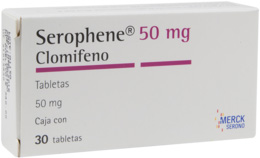
Available data recommend that both the antiestrogenic and also estrogenic homes of Clomiphene may take part in the commencement of ovulation. The two clomiphene isomers have been located to have actually mixed estrogenic and also antiestrogenic effects, which may differ from one species to one more. Some information suggest that clomiphene has better estrogenic tactics compared to clomiphene.
Clomiphene citrate has no noticeable presentational, androgenic, or antiandrogenic impacts and also does not appear to conflict with pituitary-adrenal or pituitary-thyroid function.
Although there is no evidence of a “carryover result” of clomiPHENE citrate, unplanned ovulatory menses have been noted in some patients after clomiPHENE citrate therapy.
Based upon very early researches with 14C-labeled clomiPHENE citrate, the medication was shown to be conveniently absorbed orally in humans and also secreted mostly in the feces. Cumulative urinary as well as fecal excretion of the 14C averaged about 50 % of the oral dosage as well as 37 % of an intravenous dose after 5 days. Mean urinary system excretion was approximately 8 % with fecal excretion of regarding 42 %.
Some 14C tag was still existing in the feces 6 weeks after administration. Succeeding single-dose research studies in typical volunteers revealed that clomiphene (cis) has a much longer half-life compared to clomiphene (trans). Obvious degrees of zuclomiPHENE continued for longer compared to a month in these topics. This could be suggestive of stereo-specific enterohepatic recycling or sequestering of the zuclomiPHENE. Hence, it is feasible that some energetic medication might continue to be in the body during early pregnancy in women which develop in the menstruation throughout clomiPHENE citrate therapy.
While erectile dysfunction (ED) is common, it’s also often misunderstood. Perhaps that’s because ED is a topic that isn’t often talked about—it can be embarrassing and awkward for both men and women to discuss, even with a healthcare professional. But talking about it and learning about it can help men and their partners understand and manage this common condition.
Read also: Male and female sexual impotence
What ED is:
The inability to maintain an erection suitable for sexual intercourse.
A medical condition that can affect men of any age.
A common sexual problem that usually has a physical cause, but can also be the result of psychological problems or a side effect of medication.
Often the first sign of an underlying medical condition.
What ED is not:
A “natural part of aging”
A sign that a man is not interested in sex or is not attracted to his partner.
Something that only happens to older men.
Just a man’s problem.
A problem with no solutions.
This last point is important to remember – there are solutions. The first step to that solution is to talk to a healthcare professional to find out what is causing the ED. There are many things that can cause ED:
Heart disease
High blood pressure
Diabetes
Parkinson’s disease
Trauma from surgery, such as surgery related to prostate cancer
Hormonal problems (for example, thyroid disease)
Anxiety
Depression
Relationship problems
Fear of intimacy or performance anxiety
Drug abuse
Alcoholism
Smoking
Obesity
Certain prescription medications
A healthcare professional can help figure out what’s causing your erectile dysfunction and what treatment might be best.
Myths and Facts about ED
Involving Your Partner
ED isn’t just a man’s problem—his partner is affected, too. ED can cause a man to withdraw from sex and his partner. A female partner may blame herself, feeling that she is no longer desirable. She may also blame her partner and suspect infidelity as the cause behind her ED. Lack of communication can be destructive for couples dealing with erectile dysfunction. For men in relationships dealing with erectile dysfunction, talking to a partner is an essential part of managing the condition.
So how do couples start the conversation about erectile dysfunction?
What to do:
Recognize that this is hard to talk about. For many men, sexual performance is a real part of their self-identity, and issues in this area can be a blow to a man’s self-esteem. Recognize that this is hard to talk about, even embarrassing, but important—for both of you.
Educate yourself about ED. Learn what ED is (and isn’t) so you can better understand what might be causing the problem. Since most cases of ED have physical causes, treat it as a medical problem like any other.
Stay positive and focus on solutions. There are many treatment options available and professionals, including health care professionals and therapists, who can help.
What not to do:
Withdraw from your partner and avoid sex. This can only lead to further misunderstanding of the problem.
Discuss it in the bedroom. Instead, choose a neutral place to talk and approach the subject calmly, away from the heightened emotions of the bedroom.
(For partners) Internalize the problem. This is a medical issue that your partner is dealing with. ED does not mean that your partner is cheating or no longer finds you attractive. Focus on helping your partner and encouraging him or her to seek medical help.
Treatment options
There are several options for treating ED, depending on the cause. And since ED can be the first sign of an underlying medical condition, finding and treating it can help resolve ED issues and improve overall health.
Oral medication
Mechanical devices
Hormone replacement
Keeping ED in perspective
An erection is not necessary for sexual satisfaction (or orgasm). When managing ED, remember that there are many ways to please a partner and experience sexual pleasure. This can be an opportunity to expand your sexual boundaries as a couple and explore new practices, positions, and techniques. Keep the focus on pleasure, not an erection.
Download the Fact Sheet
10 Things to Know About Erectile Dysfunction
Learn the basics about erectile dysfunction—from causes, treatment options, and relationship issues—with ASHA’s brief fact sheet, Ten Things to Know About Erectile Dysfunction.
Physical Symptoms of Sexual Dysfunction
Sexuality and intimacy have a significant impact on the quality of life for almost everyone, including those with a chronic illness such as multiple sclerosis (MS). In MS, sexual dysfunction can be one of the least talked about symptoms of the disease. It is important to recognize and understand this symptom in order to address it appropriately.
Intimacy can be defined as anything that makes someone feel closer to another, particularly in a personal and private way. 1 Intimacy plays an important role in the sex lives of people with MS and their partners.
Read also: Impotence Remedy
Both men and women can experience sexual dysfunction. Some studies suggest that it affects between 40 and 80 percent of women and between 50 and 90 percent of men. 2 Other studies suggest that sexual dysfunction increases over time in people with xMS and may be associated with some of the other physical symptoms of the disease, including limited mobility, spasticity, and bowel and bladder dysfunction.
People are sometimes reluctant to discuss sexual dysfunction with their MS care team because they may feel uncomfortable discussing things that seem so personal. To address these issues, like others, they must first be acknowledged and discussed.
The causes of sexual dysfunction can be divided into three categories: primary, secondary and tertiary.
Primary sexual dysfunction is the result of damage to the central nervous system caused by multiple sclerosis. Motor and sensory pathways can be disrupted by damage to neurons. This can result in a slowing of impulses sent from the brain to the body and back. The resulting symptoms may manifest as decreased sexual sensation, decreased vaginal lubrication, or erectile dysfunction.
Secondary sexual dysfunction may be the result of other symptoms of the disease. Limited mobility may result in the inability of a person with MS to maintain certain positions to engage in sexual activity. Fatigue is also a major contributor to sexual dysfunction. Often, the demands of daily life combined with fatigue in MS result in decreased libido and decreased willingness to attempt to engage in physical sexual activity.
Spasticity can limit the types and number of positions a person with MS can maintain during sexual activity. The sudden onset of painful spasms can certainly interrupt attempts at sexual activity. Bowel and bladder dysfunction are also known to contribute to sexual dysfunction. People with MS who have difficulty controlling their bowels or bladder often avoid intimate contact for fear of an embarrassing accident.
Depression has also been found to have a significant effect on sexuality. Many of the medications used by people with multiple sclerosis can also contribute to sexual dysfunction, including antispasticity and antidepressants.
Tertiary sexual dysfunction results from both primary and secondary causes and includes psychological disorders, cognitive dysfunction, and depression. People with MS often focus a significant amount of time and energy on the other physical symptoms of the disease. This can leave them simply too tired to consider sexual activity. They may also be embarrassed by the use of other devices, such as urinary catheters or limb splints.
Some people with MS experience a loss of self-esteem or an altered body image. For example, a man who is no longer able to work and needs physical care from his partner may not see himself as a sexual being and thus avoid sexual contact. This may be true for care partners as well.
Providing intimate physical care for a person with MS, such as catheterization, and then engaging in sexual activity with that person can be overwhelming. Concerns about the possibility of pregnancy and having a child with MS can also affect sexual function.
There may be other possible causes that have nothing to do with MS but should be considered. These problems may be associated with the normal aging process. Vaginal dryness and decreased libido may be the result of menopause in women. Lack of erectile function in men may be associated with aging or vascular disease, or medications such as antihypertensive drugs.
Common symptoms of sexual dysfunction may include:
decreased libido
decreased sensation
orgasmic dysfunction
painful intercourse
decreased vaginal lubrication
erectile dysfunction
ejaculatory dysfunction
The first step in managing sexual dysfunction is to recognize it and discuss it with your partner, MS team or a sex counselor. MS presents many physical challenges that can be recognized and managed, resulting in a more satisfying sex life.
Another important first step is to review your medications. Many medications affect sexual performance. Discussing these with your healthcare team may result in some changes that can improve sexual function. Doses can be changed or medications can be switched if necessary.
Other simple measures may include avoiding beverages such as caffeinated drinks (coffee, tea, carbonated soft drinks) and spicy foods immediately before sexual intimacy, which may reduce the possibility of a bladder or bowel accident. Emptying the bladder and bowels immediately before a sexual encounter may also reduce the risk of elimination dysfunction during intimacy. Timing a sexual encounter is also important. Fatigue often worsens as the day progresses, so setting aside time early in the day can improve the sexual experience.
Pelvic floor exercises taught by a physical therapist can help strengthen the muscles used in many sexual encounters. Hot or cold therapy, biofeedback, and electrical stimulation can also help with mobility limitations or spasticity. It is important to have sexual encounters at least 30 minutes after a dose of antispasticity medications. Personal lubricants may be helpful for women with vaginal dryness.
There are several prescription medications available for erectile dysfunction. Men should discuss these and all medications with their MS team. It is important to remember that sexual function is more than just a physical action. In the next issue of The Motivator, the topic of managing emotional and psychological symptoms, including sexuality, will be addressed.
As noted at the beginning of this section, sexuality and intimacy have a major impact on the quality of life for almost everyone, including those with a chronic disease like multiple sclerosis. There are many ways to manage sexual dysfunction in MS. The first step is to acknowledge and discuss sexual function with your MS healthcare team.
The following medications may be used to treat sexual dysfunction (as listed on the MSAA website at mymsaa.org, under Symptoms). Please see the MSAA website for more information about these medications, such as prescribing information and side effects.
For erectile dysfunction:
Viagra® (sildenafil)
Levitra® (vardenafil)
Cialis® (tadalafil)
For vaginal dryness:
Lubricants
Vaginal preparations containing estrogen
Topical creams
Psychological symptoms of sexual dysfunction
Sexuality and intimacy have a significant impact on the quality of life for almost everyone, including those with a chronic disease such as multiple sclerosis (MS). In MS, sexual dysfunction can be one of the most invisible symptoms of the disease. It is important to recognize and understand the factors that contribute to sexual dysfunction in order to address it appropriately.
Both men and women can experience sexual dysfunction. Some studies suggest that it affects between 40 and 80 percent of women and between 50 and 90 percent of men. 4 Other studies suggest that sexual dysfunction increases over time in people with MS and may be associated with some of the emotional and psychological problems they may also experience.
People are sometimes reluctant to discuss sexual dysfunction with their care team because they may feel uncomfortable discussing things that seem so personal. In order to address these issues as you would other symptoms, they must first be acknowledged and discussed.
How Cognitive Impairments Affect Sexual Function
Cognitive impairment is common in MS, affecting up to 50% of individuals with MS, and is not necessarily associated with advanced stages of the disease. 5 The onset of cognitive impairment in MS is often difficult to identify. Some people notice distinct changes in their mental functioning that can be attributed to the disease, while others are unaware of how their cognitive limitations may be affecting their relationships.
Some of the cognitive functions typically affected in people with MS include: information processing; perceiving; attending to/responding to incoming information; speed of information processing; cognitive flexibility, such as attending to multiple stimuli at the same time (“multitasking”); problems with storing, manipulating, and retrieving information; and executive function, which includes planning, working memory, attention, and problem solving.
Cognitive impairment can affect sexual function and relationships in a number of ways. Partners may become frustrated if the person with MS is easily distracted during intimacy. Distractions such as children in the home, music, and television can interrupt intimate moments if the person with MS is unable to filter out these distractions and remain focused on their partner.
Planning for sexual activity can be complex and overwhelming for a person with MS, and they may choose to avoid it altogether. Verbal fluency and word finding can also be a problem, leading to a partner feeling unwanted or unappreciated. Fatigue can worsen both cognitive function and the quality of sexual intercourse.
Once cognitive impairment has been identified in a person with MS, what can be done to treat the condition? First, people with relapsing forms of MS should be encouraged to start or remain on disease-modifying therapy (DMT) if advised by their doctor. Based on the ability of these agents to inhibit inflammation and the accumulation of brain lesions, it is likely that they exert some degree of neuroprotection that may limit the progression of cognitive impairment.
Evidence suggests that exercise training in people with MS has the potential to improve many aspects of cognitive performance. Exercise has been proposed to have positive effects in reducing inflammation and neurological damage in people with multiple sclerosis. 6 Counseling is vital to help couples deal with cognitive challenges that affect sexual function. Patients may be referred to an occupational therapist for assistance in adapting certain skills or to a psychosocial therapist for assistance in coping and reducing stress.
How Depression and Anxiety Affect Sexual Function
Depression is another psychological disorder commonly seen in people with multiple sclerosis that often affects sexual function. People with MS who are depressed may have decreased libido, difficulty with certain sexual positions, and fear of developing relationships. Men may also experience erectile dysfunction. The best treatment for depression is usually psychotherapy, along with medication and exercise. Seeking strength in spiritual beliefs can also help. Depression can also affect caregivers and may increase as disability increases. Caregivers need to recognize and treat depression in order to participate effectively in intimate relationships.
Anxiety can also affect sexual function, and caregivers are also at risk. When anxiety affects sexual function, both symptoms can worsen.
Enhanced Intimacy
Intimacy can be defined as anything that makes someone feel closer to another, particularly in a personal and private way. 4 People with MS who are experiencing emotional or psychological difficulties may find intimacy particularly challenging. Depression, anxiety, and cognitive dysfunction are likely to interfere with attempts at intimacy. Recognizing and treating the underlying cause is the best way to improve intimacy.
Emotional and psychological impairment affects quality of life, including intimate and sexual relationships. Recognizing these impairments in people with MS and their care partners is the first step toward a healthy sexual relationship. Quality of life can be affected, and treatment for many of the underlying emotional and psychological causes of sexual dysfunction should be sought. With early recognition and treatment, a healthy and satisfying sexual relationship is certainly possible.