Description
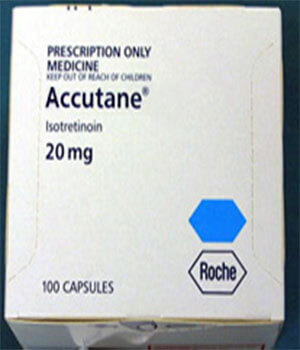
Accutane (Isotretinoin) 20mg
What is Accutane?
Accutane also known as Isotretinoin is an oral medication belonging to the group of retinoids. This means that it reduces the number of oil produced by the skin, changing its characteristics and preventing excessive hardening of the skin. It is prescribed for severe acne treatment in patients who have had low results with other milder medications (antibiotics). Structurally Accutane is a chemical cousin of vitamin A ö it is a natural derivative from vitamin A and it is present in the bloodstream of every person. Accutane is a very powerful drug and can cure even severe and scarring acne that has lasted for years and did not respond to antibiotic creams and drugs. And even though it has many side effects it is in a way safer than antibiotics, as Accutane cures acne completely in five months maximum and so does not require permanent usage. Accutane may also be used for other dermatological diseases treatment as determined by your doctor.
As Accutane may cause severe birth problems including physical deformity and mental deficiency, it is strictly forbidden for use in pregnant, breastfeeding women or women planning to become pregnant. Before using Accutane women will have to sign a consent form on the birth risks and have at least two negative pregnancy tests. Moreover in the course of treatment women will have to use two forms of birth control and to pass pregnancy tests every month to exclude completely the possibility of pregnancy during Accutane usage. Before using Accutane check with your doctor if you take any drugs that may have bad interactions with it. Avoid taking Accutane if you have diabetes, bone, blood, gastroenteric and psychiatric disorders.
Accutane is taken two times daily with a meal. Do not chew or struck the pill. Swallow it whole. Take Accutane with a full glass of water or any other non-alcoholic drink. Follow your doctor+s instructions carefully. When you finish taking Accutane there should be at least a two month +recreation periodÐ in the course of which you will not use this drug. Your acne may persist to get better notwithstanding the fact that you do not take the medication any longer. After this 2 month period if your acne is still severe you may need to resume the course of treatment with Accutane.
Follow your dosage schedule, do not miss doses and do not take double to make up the missed one, better skip it and then go back to your regular regime. Overdose with Accutane may cause dry or cracked lips, abdominal pain, dizziness/incoordination/clumsiness, facial flushing, vomiting and headache. If you have any of these seek emergency medical aid.
Possible side effects of Accutane include abnormal hair growth/loss, bleeding gums, bowel inflammation/pain, blood in urine, changes in blood sugar/cholesterol levels, bruising, changes in skin pigmentation, changes in vision, chest pain, reduced tolerance to contact lenses, depression, delay in wound healing, sleeping problems, dizziness/drowsiness, fragile or dry skin, dry lips/mouth/nose, heartbeat irregularities, fatigue, herpes, menstrual changes, joint pain, itching, liver disorders, nail disorders, muscle wasting, nausea, nosebleeds, nervousness, peeling palms or soles, rash, pinkeye, skin infections, stroke, stomach and intestinal discomfort, drops in blood pressure, unconsciousness, sunburn-sensitive skin, sweating, suppression of growth, swelling, tendon/ligament problems, vomiting, urinary discomfort, weight loss and weakness. If severer side effects occur stop using Accutane.
What is the shelf life of the pills?
The expiry date is mentioned on each blister. It is different for different batches. The shelf life is 2 years from the date of manufacture and would differ from batch to batch depending on when they were manufactured.
Accutane (isotretinoin) is an oral prescription medication intended for the treatment of severe acne. Take Accutane exactly as recommended by your health care provider. If your doctor did not provide specific instructions or you are not sure about something, you can talk to your health care provider or a pharmacist. Take a capsule of Accutane with a full glass of water to prevent it from dissolving in your esophagus, as it may cause irritation. Swallow the capsule whole without sucking or chewing it. If you get an upset stomach when taking other medications, you doctor may suggest taking Accutane with a glass of milk or some food.
Once you get a prescription for this medicine, it must be filled within a week from the day it was prescribed. The patients usually receive only a month supply of the medicine to make sure you show up for your doctor’s examination regularly. Since in some rare cases Accutane has been reported to affect liver function, this aspect of your health will also be tested regularly to avoid health complications. Do not take an extra dose of Accutane to make up for the one you missed. You shouldn’t get worried if the condition of your skin gets worse at first, as this means the drug is working properly.
There are other things you need to discuss with your health care provider before staring the treatment. Make sure your doctor knows if you ever had asthma, liver disease, any of the eating disorders, high cholesterol, history of any mental illness, bone disorders, heart disease or diabetes. You may require a dose adjustment or your health care provider will want you to have additional tests done. Make sure you also tell your doctor about any prescription or over-the-counter medicines you have to take at the moment – Accutane may interact with some of them, which may affect your treatment. Make sure you mention the fact of taking seizure medication, steroids or tetracycline antibiotics.
Some of the side effects sometimes reported by patients taking Accutane include headaches, nausea, blurred vision, itchy eyes, discomfort when wearing contact lenses, night blindness and abdominal pain. The side effects mentioned above are to be reported to your health care provider as soon as possible to make sure you are benefitting from the treatment and your dose does not need to be adjusted. There are other less serious side effects that tend to disappear quickly on their own as you carry on with the treatment. These include thinning hair, nosebleeds, itchy skin, dry lips, increased sun sensitivity, muscle pains and some other ones that may be individual for every patient.
One of the major concerns associated with taking Accutane is the possibility of developing suicidal thoughts, depression and psychosis. These symptoms however tend to go away once the treatment is stopped. Patients with a history of such conditions must talk to their health care provider to find out how safe and efficient the treatment is going to be for them. Once you stop the treatment (just make sure you do so when your health provider thinks it is necessary) the normal function of your skin will be restored and although the sebaceous glands will grow bigger they will not produce the same amounts of oil. This medicine must not be taken by pregnant or breastfeeding women or those allergic to its active ingredient or parabens, nor should you share Accutane with people to whom it was not prescribed even if their symptoms are similar to yours.